We managed to turn creators from “nice awareness” into a measurable revenue channel, without inflating discounts or cannibalizing paid search. By rebuilding the affiliate system around intent-first content, clean tracking, and creator-level attribution, we shifted conversions that were previously closing elsewhere back to where the influence actually started. This case study shows exactly how we moved from baseline → intervention → lift, and how we proved the lift was incremental (not just demand in a new outfit).
Vertical: D2C Beauty
Channels: TikTok + IG Reels
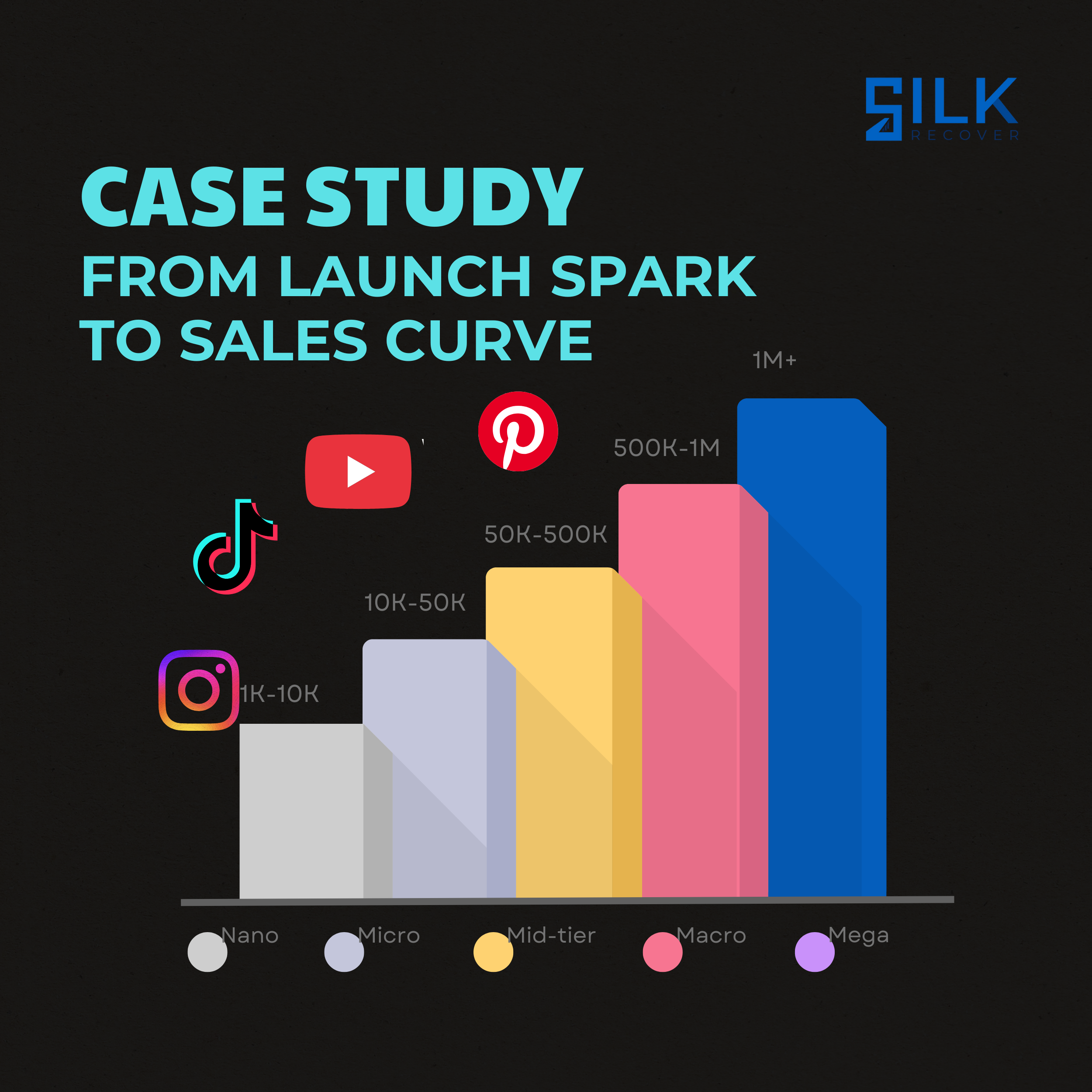
Creator mix: 20 Micro
Window: 30d baseline → 21d campaign
Offer: 15% + unique codes +78%
Channels: TikTok + IG Reels
Creator mix: 20 Micro
Window: 30d baseline → 21d campaign
Offer: 15% + unique codes +78%
Affiliate link traffic vs baseline: 6.2x
Affiliate ROAS (avg) vs 4.4x branded search = +12%
AOV delta vs site average
📈 Objective & constraints
| Objective | Increase measurable sales from creator-driven traffic while maintaining margin efficiency and AOV. |
|---|---|
| Primary KPI | Incremental revenue attributable to affiliate cohort (last-click + assisted). |
| Secondary KPIs | ROAS, AOV, conversion rate, share of assisted conversions, creator-level efficiency. |
| Constraints | Discount disciplined (single sitewide offer), creative fatigue risk, overlapping paid search demand. |
📈 Campaign design
| Creator mix | 20 micro creators (beauty + lifestyle), selected for audience-product fit and demo ability. |
|---|---|
| Content system | Hook → demo → proof → CTA sequence; 2–3 assets per creator across the window. |
| Offer | 15% sitewide; unique code per creator for checkout mapping and lift analysis. |
| Landing | Product detail pages + “best sellers” collection; consistent CTA and friction-reduced checkout. |
📈 Baseline → intervention → lift
Baseline: Creator traffic was present but under-indexed in conversion; most demand captured by branded search.
Intervention: Short-form demos with direct CTA + persistent code; prioritized clarity over aesthetics.
Lift: Traffic intent improved and AOV rose; assisted paths revealed creator content initiating journeys.
📈 Tracking approach
| Linking | Unique affiliate links + standardized UTM taxonomy per creator and post type. |
|---|---|
| Checkout mapping | Unique codes tied to orders; cross-checked against link clicks for consistency. |
| Attribution | Last-click + assisted touch reporting to surface halo effect. |
| Incrementality note | Compared against baseline window + creator-level efficiency bands to detect “real lift” vs re-captured demand. |
Translation: creators didn’t just “close” — they started the buying journey.
📈 What was learned
| Insight | Demo-first creative drove higher click intent than static “pretty” posts. |
|---|---|
| Insight | Audience-fit micro creators outperformed larger accounts on efficiency. |
| Insight | UTM + code pairing reduced attribution blind spots and improved creator budgeting decisions. |
- Next step: scale the top 20% of creators with new hooks weekly (to reduce fatigue).
- Next step: test a non-discount value add (bundle / gift) to protect margin without reducing conversion.