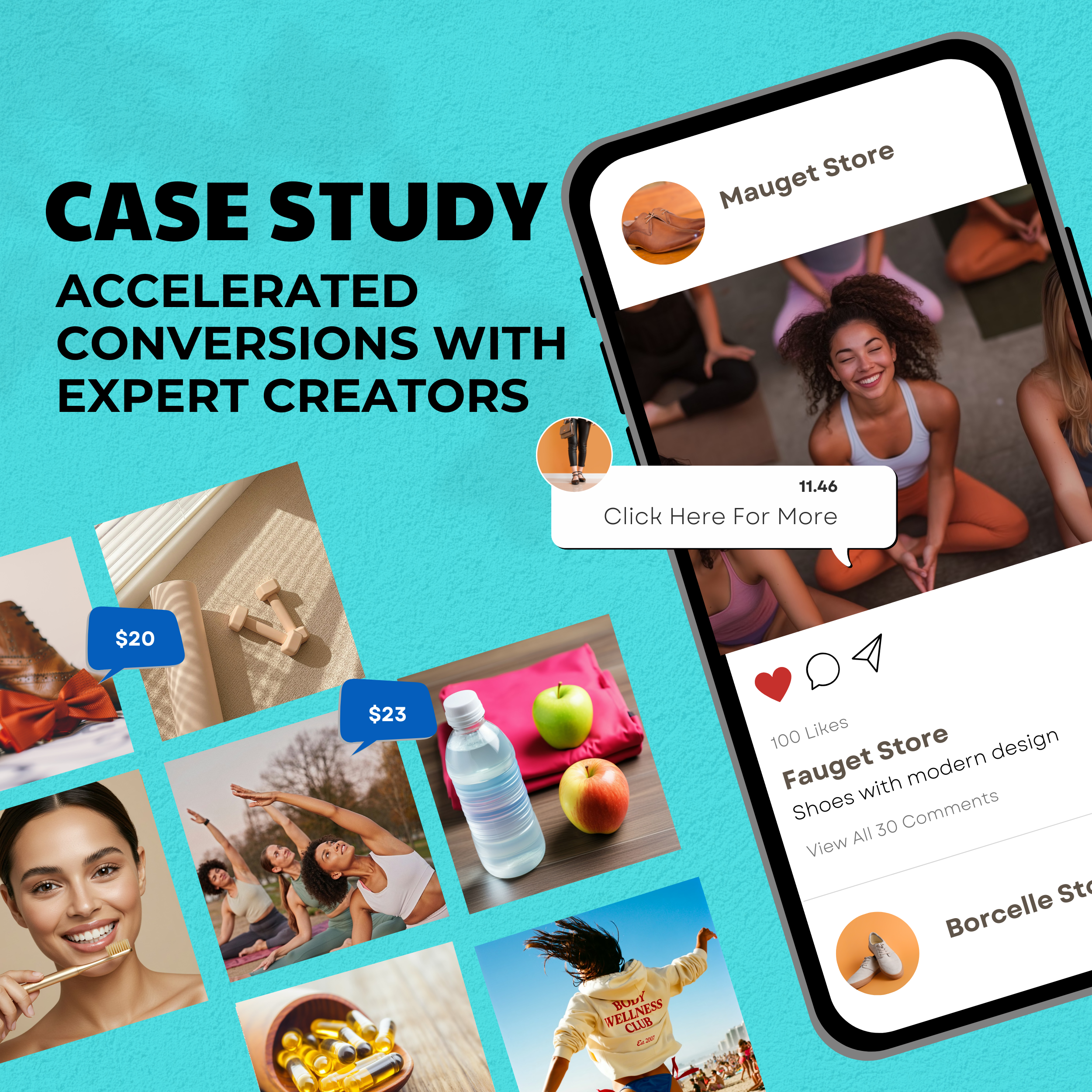
Affiliate marketing is no longer a siloed performance channel driven only by coupon codes and commission payouts. In today’s digital ecosystem—where authenticity, storytelling, and community drive conversions—brands and affiliates are finding new ways to team up. At the heart of this evolution lies collaborative content.
Collaborative content is the sweet spot where brand objectives meet affiliate creativity. Instead of transactional shoutouts or static banner ads, affiliates and brands are now co-creating campaigns, stories, and experiences that deliver real value to audiences.
This shift isn’t just good for engagement—it’s great for business. Here’s why (and how) brands should embrace co-creation with affiliates as a core strategy in 2025 and beyond.
🤝 What Is Collaborative Content in Affiliate Marketing?
Collaborative content refers to any co-developed material between a brand and its affiliate partner—be it blog posts, videos, podcasts, email features, live events, or social media takeovers.
Rather than acting as just a “publisher” or “traffic driver,” the affiliate plays a creative role in shaping the message, format, and tone of the content.
Examples of collaborative content:
- A wellness brand co-developing a YouTube skincare series with a beauty influencer
- A travel gear company working with a blogger to write an in-depth packing guide
- A tech affiliate co-hosting a product demo webinar with the brand’s founder
- A fashion brand and stylist affiliate co-creating a seasonal lookbook
This is about partnership, not placement.
🎯 Why Collaborative Content Works Better
The days of cookie-cutter affiliate posts are behind us. Today’s audiences want authenticity, relatability, and value.
Here’s what makes collaborative content more powerful:
- Stronger Trust: Content that comes from a co-creation process feels more honest and credible.
- Better Performance: Collaborative pieces outperform traditional affiliate placements in terms of engagement, time spent, and conversion.
- Increased Brand Equity: Affiliates aligned with your brand story help reinforce identity in front of the right audience.
- Higher Retention: Affiliates involved in creative work are more likely to remain loyal long-term partners.
“When brands let us bring our voice and ideas, the content resonates more—and performs better.”
— Samira Leigh, Lifestyle Blogger & Affiliate Partner
📦 Key Types of Collaborative Content (with Examples)
Let’s explore the most impactful formats where brand-affiliate co-creation thrives:
1. 📹 Video Series & Product Demos
YouTube remains a goldmine for affiliate-driven sales, especially in tech, beauty, fashion, and home.
Example:
A camera brand partners with a travel vlogger to co-create a “Vlog Like a Pro” mini-series, showcasing real-life use of the gear, rather than a scripted review.
Why it works:
- Product is featured in authentic use
- Affiliate brings audience trust and creative flair
- Brand adds technical insight or exclusive early access
2. ✍️ Long-Form Editorials & Guides
These work best for affiliates with a blog or SEO presence.
Example:
A high-end cookware brand co-writes a “Holiday Hosting Guide” with a food blogger, integrating their product into recipes, tablescapes, and tips.
Tips for success:
- Share keyword research with the affiliate
- Offer brand stories or data to enrich the content
- Include shoppable links with affiliate tracking
3. 🎙️ Podcast Collaborations
Audio is personal, niche-focused, and great for storytelling.
Example:
A sustainable clothing brand partners with a conscious-living podcaster to create a special mini-episode series around ethical fashion choices.
Benefits:
- Deeper brand storytelling
- High audience trust
- Great for mid- and upper-funnel exposure
4. 📧 Co-Branded Email Features
Email newsletters are still among the highest ROI channels.
Example:
A fitness equipment brand works with a health coach affiliate to craft a one-off “Reset Your Routine” email, featuring both a product offer and wellness tips.
Key elements:
- Clear CTA with affiliate link
- Personalized copy from both parties
- Limited-time angle or exclusive offer
5. 📱 Instagram Takeovers & Joint Livestreams
For affiliates with strong IG presence, live and interactive content can drive real-time engagement.
Example:
A skincare brand invites a derm-affiliate to host a Q&A about winter skincare—broadcasting live on the brand’s page with cross-promotion.
Pro tip: Always prepare talking points and promotion assets in advance.
🔧 How to Build a Collaborative Content Strategy with Affiliates
Here’s a step-by-step framework brands can follow:
Step 1: Identify the Right Affiliates
Look for:
- Strong creative voice and niche authority
- Authentic engagement with their audience
- Proven content production quality (not just performance metrics)
🧠 Tip: Use affiliate network data + social audits to identify “brand-fit” creators.
Step 2: Reach Out with a Co-Creation Proposal
Don’t send a generic “join our program” email. Instead, initiate the conversation like a creative partnership.
✅ Personalize your message
✅ Highlight why they’re a fit
✅ Pitch a clear content idea (but open to input)
Example outreach snippet:
“We love how you explain finance in such a down-to-earth way—especially your recent ‘Budget Luxury’ reel. We’re launching a new credit rewards card in August and would love to co-create a shortform content series with you.”
Step 3: Co-Develop the Content Plan
Set up a working session (Zoom, Notion doc, Google Doc) and collaborate on:
- Messaging themes
- Format + channel plan
- Timeline and approval checkpoints
- Promotion strategy (from both sides)
Keep it structured—but flexible. Allow room for the affiliate’s ideas and creative freedom.
Step 4: Equip & Empower
Give affiliates what they need to succeed:
- Product samples
- Behind-the-scenes access
- High-res images or B-roll
- Stats, customer testimonials, or data points
- Performance bonuses or exclusive offers
This isn’t just a link drop—it’s a production.
Step 5: Measure and Optimize Together
Track both quantitative and qualitative results:
- Clicks, conversions, revenue
- Engagement, comments, shares
- Audience sentiment and brand lift
🧩 Share insights with affiliates—they’ll appreciate the transparency and be able to optimize for future collabs.
📊 Sample Table: Collaborative Content vs. Standard Affiliate Posts
| Factor | Standard Affiliate Post | Collaborative Content |
|---|---|---|
| Creative Control | Mostly the affiliate | Shared between brand + affiliate |
| Brand Involvement | Minimal | High |
| Depth of Content | Basic or one-off | Story-driven, editorial-style |
| Audience Engagement | Moderate | High (comments, shares, DMs) |
| Long-Term Value | Lower | Higher (evergreen + repurposable) |
| Partner Loyalty | Variable | Stronger (feels valued) |
✨ Final Thought: It’s Time to Create With, Not Just Through Affiliates
The affiliate model is evolving. It’s no longer about pushing links—it’s about pulling audiences into a brand story they want to engage with. And the most powerful way to do that is through collaboration.
When brands invest in co-creation, they unlock a new level of partnership—one that doesn’t just drive clicks, but builds community, creativity, and compounding value over time.
“Treat your affiliates like creative collaborators, not sales reps. That’s where real magic happens.”
— Jenna Ford, Affiliate Marketing Director at a DTC Beauty Brand